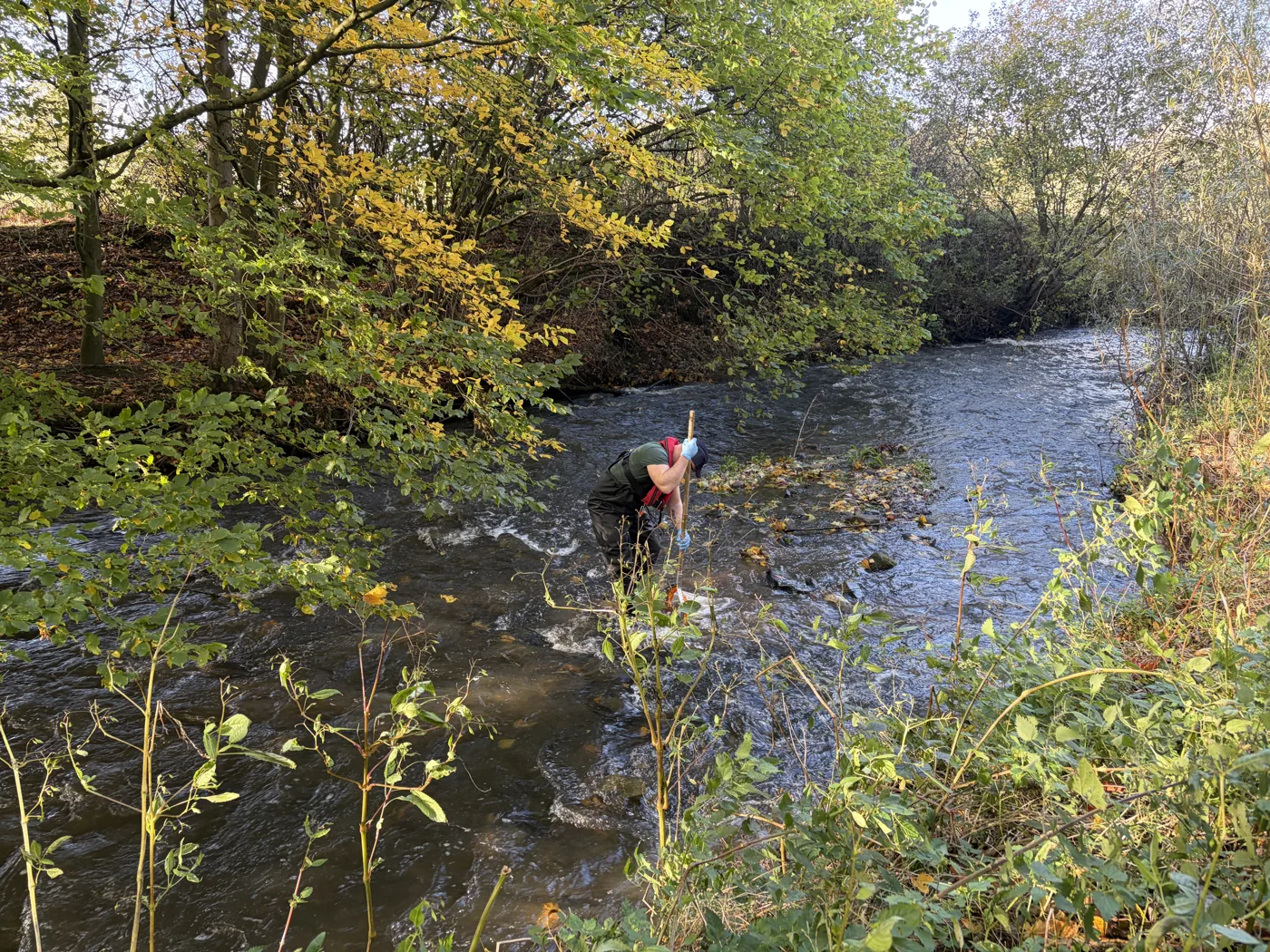

Pollution-sensitive Green Drake mayflies are living in the River Bollin after a £50m upgrade at Macclesfield's sewage works. United Utilities tests it monthly.
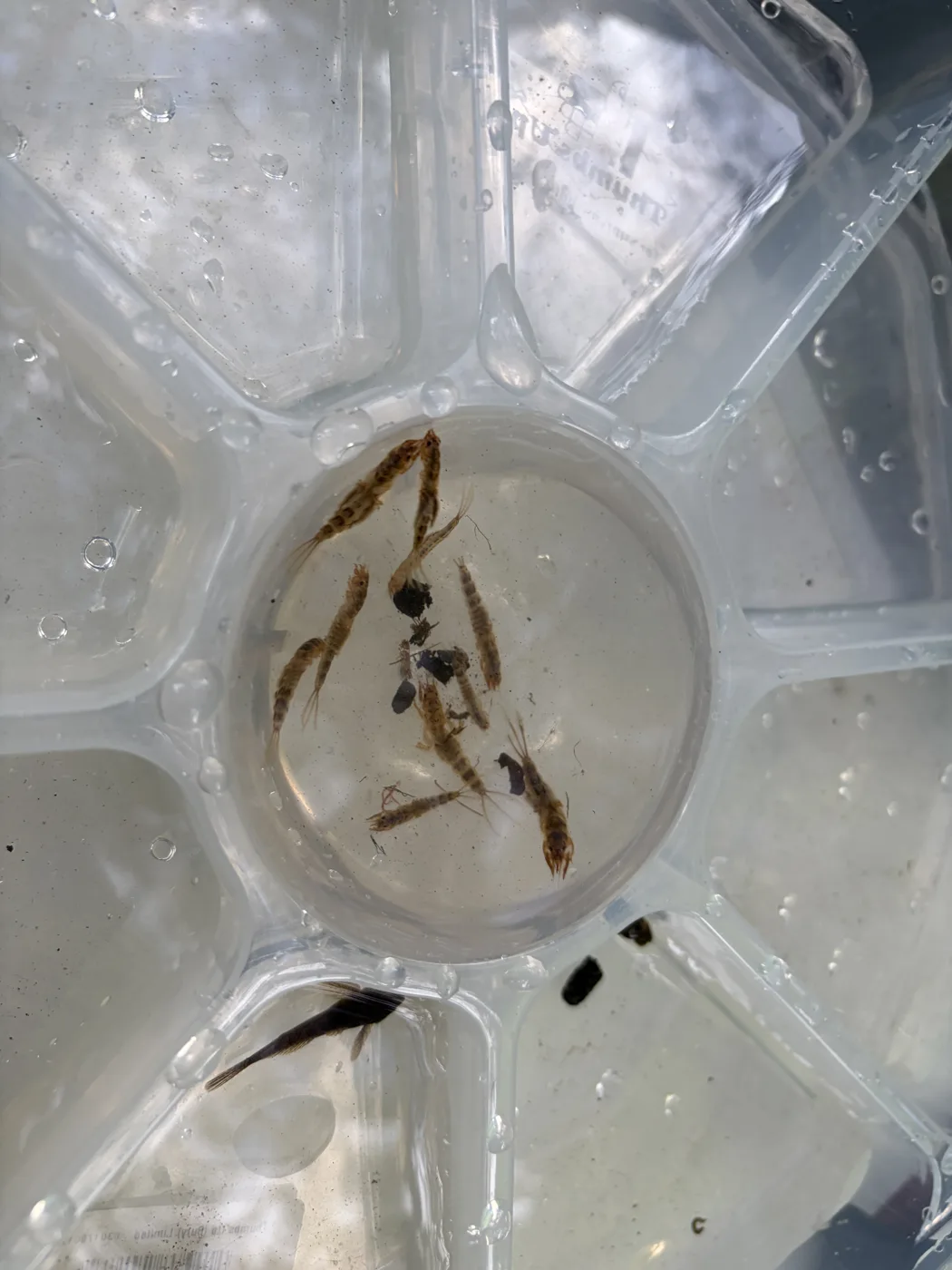
Green Drake mayflies are living in the River Bollin after United Utilities spent £50 million on Macclesfield Wastewater Treatment Works. The company says the insects are encouraging evidence that the river’s water quality is improving.
Macclesfield is more than 30 miles east of Chester. United Utilities also treats wastewater across Cheshire West. It says what it learns on the Bollin will help shape where it invests next.
Overview
- What was found: Green Drake mayflies, a species that needs clean, fast-flowing, oxygen-rich water.
- Where: the River Bollin, around Macclesfield Wastewater Treatment Works.
- Why it matters: the mayflies are pollution-sensitive, so their presence is a recognised sign of a healthy river.
- What changed: a £50 million upgrade at the works, designed to cut phosphorus and ammonia levels.
Why mayflies matter
Green Drake mayflies cannot survive in polluted water. They need water that is clean, fast-flowing and rich in oxygen. That is why their presence is widely treated as an indicator of a healthy river.
United Utilities says its water quality test results suggest conditions in the river are “very good”. It says the continued presence of the mayflies highlights the environmental benefits of the work at the site.
What the £50 million paid for
The upgrade at Macclesfield was built to improve the quality of treated wastewater returned to the river. It was designed to reduce two pollutants:
- phosphorus
- ammonia
It included Nuvoda Mobile Organic Biofilm (MOBB) technology. United Utilities says this is the first time the system has been used at one of its wastewater treatment works.
How the river is being tested
United Utilities’ River Rangers carry out kick sampling surveys every month, upstream and downstream of the works. Kick sampling means disturbing the riverbed and catching what washes out in a net.
The method works like this:
- a control sample is taken upstream of both the final effluent outfall and the storm overflow
- more samples are taken downstream
- the two are compared for the number and variety of small creatures living in the riverbed
Those creatures, known as macroinvertebrates, are a recognised measure of river health and water quality.
What United Utilities said
Annabelle Nolan, Wastewater Catchment Manager at United Utilities, said: “Healthy rivers are the result of long-term commitment and collaboration, so it’s really encouraging to see how the river is responding to improvements in treatment processes and wider catchment management.
“Monitoring programmes like this are important because they help us look beyond compliance measures and understand what is happening in the river environment itself. The insight we’re gaining will help inform future investment and support our ambition to leave rivers in a better condition for future generations.
“There is always more to do, which is why we’re delivering the largest investment in wastewater infrastructure for a century across the North West, helping to protect and enhance hundreds of kilometres of rivers, lakes and coastline.”
What it means for you
If you fish, walk or paddle along the Bollin, the company’s own monitoring now points to cleaner water in the river. United Utilities says the insight will help inform its future investment across the North West.
Source: United Utilities press office.
Have your say