
Cheshire West must save about £82m by 2031, with £42.3m not yet found and a £22.9m gap next year. Council tax is assumed up 4.99% a year. What is driving it.
Cheshire West and Chester Council needs to save about £82m over the next four years to balance its books. Its latest forecast leaves a gap of £42.3m for 2027 to 2031 that it has not yet worked out how to close.
The figures are in the Medium Term Financial Strategy 2027-31, which goes to the council’s Cabinet this morning, Wednesday 14 October, at Ellesmere Port Library. Cabinet is only asked to note it. The proposals to close the gap come later, at Budget Council in February.
In February the gap for 2027 to 2030 was put at £10.6m. Adding a fourth year and updating the costs has taken it to £42.3m.
The gap year by year
The biggest shortfall comes first. Next year, 2027-28, the council is £22.9m short.
| Year | Net funding gap |
|---|---|
| 2027-28 | £22.9m |
| 2028-29 | £15.0m |
| 2029-30 | £6.8m in hand |
| 2030-31 | £11.2m |
| Four years | £42.3m |
That is after counting on two things. The first is £39.8m of savings already in the budget package approved in February, trimmed from £42m after a review of what can actually be delivered. The second is £78.5m of extra income from council tax and business rates. The £39.8m already planned plus the £42.3m still to find is where the report’s figure of “over £82m” of savings comes from.
What is driving it
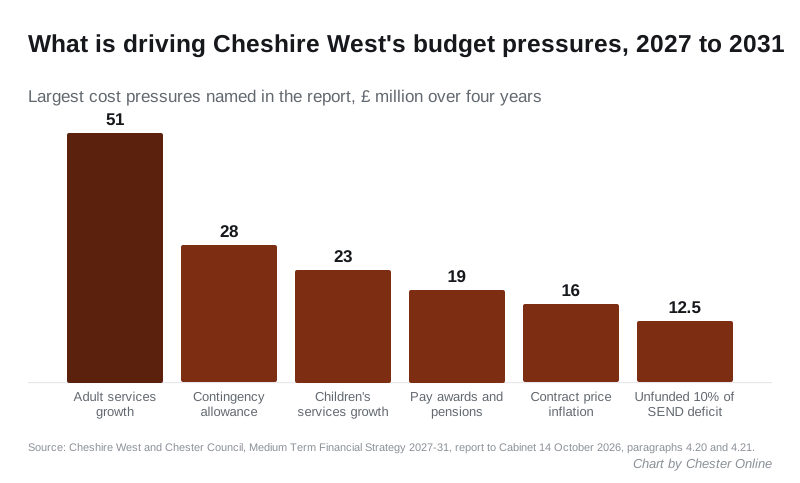
Before savings and income, the gross gap over the four years is £160.6m. The report puts £87m of it down to growth inside services, mostly social care:
- £51m for adult services
- £23m for children’s services
A further £86m is council-wide cost pressures. The report names these:
- a £28m contingency for unforeseen events and extra pressures
- £19m for national pay awards and pension contributions
- £16m of price inflation on council contracts, on top of more than £7m on adult social care contracts
- £12.5m, a one-off in 2028-29, for the 10% of the SEND deficit that government grant is not expected to cover
- £8m because a one-off surplus on council tax and business rates collection will not come round again
- £6m of borrowing costs on the capital programme already approved
- £3m less use of reserves than this year
Government funding changes knock £12.2m off the total over the four years.
Council tax: 4.99% a year assumed
The forecast assumes the council raises its share of council tax by 4.99% every year to 2031. That is 2.99% on basic council tax plus a 2% adult social care precept, which the report says matches the government’s national planning assumptions. No decision has been made: council tax for 2027-28 is set in February.
The council’s own share of a band D bill this year is £2,076.79, as set out in our Chester council tax guide. A 4.99% rise on that would add about £103.63 a year at band D, before police, fire and parish precepts. That is our calculation, not a figure from the report.
Reserves are under pressure
The council held £24.1m in general reserves in March 2026. The finance officer’s prudent range for March 2027 is £24.9m to £27.9m.
A planned £3m top-up this year would take reserves to £27.1m. But the council’s first budget review of 2026-27 forecast a £9.4m overspend this year. If that is not brought back, the report says general reserves will fall to £17.7m, below the safe range.
Two other figures in the report stand out:
- earmarked reserves fell from £68.3m to £58.3m in the year to March 2026
- the reserve holding the deficit on special educational needs spending doubled over the same year, from £19.7m to £40.4m
The report also notes that CIPFA’s financial resilience index showed the council’s reserves were “not as strong relative to other councils as in previous years” at March 2025.
What the council says it will have to consider
The report does not list any cuts. It says the remaining gap will be closed through “further savings, transformation, income generation and policy choices”. It warns this “will require difficult decisions, including how services are prioritised” and “what level of discretionary activity can be sustained”.
It goes further at paragraph 4.47. The council “will need to consider more fundamental changes to how services are organised and delivered”, which “may include reviewing the overall size and shape of the organisation”.
The report says the council will have delivered more than £200m of planned savings since 2015-16 by the end of this financial year.
What it means for you
- Have your say from 21 October. A public engagement exercise on the budget runs from 21 October to 2 December. It will include an online budget simulator where you can try to balance the council’s books yourself, and a feedback form on Participate Now. Paper and easy read copies are available through the council’s contact centre.
- Expect a council tax rise in the region of 4.99% to be on the table in February, though nothing is decided.
- Key dates for the final budget: the Overview and Scrutiny Committee on 1 February 2027, Cabinet on 10 February and full Council on 25 February.
- Today’s meeting starts at 10am. The agenda and papers are online, with the assumptions behind the forecast in Appendix A.
The council’s chief operating officer, who co-wrote the report as its statutory finance officer, leaves the council on 15 October. Full Council is asked that night to make Debbie Hall, the director of finance, interim Section 151 officer from 16 October, according to the report to Council.
Have your say