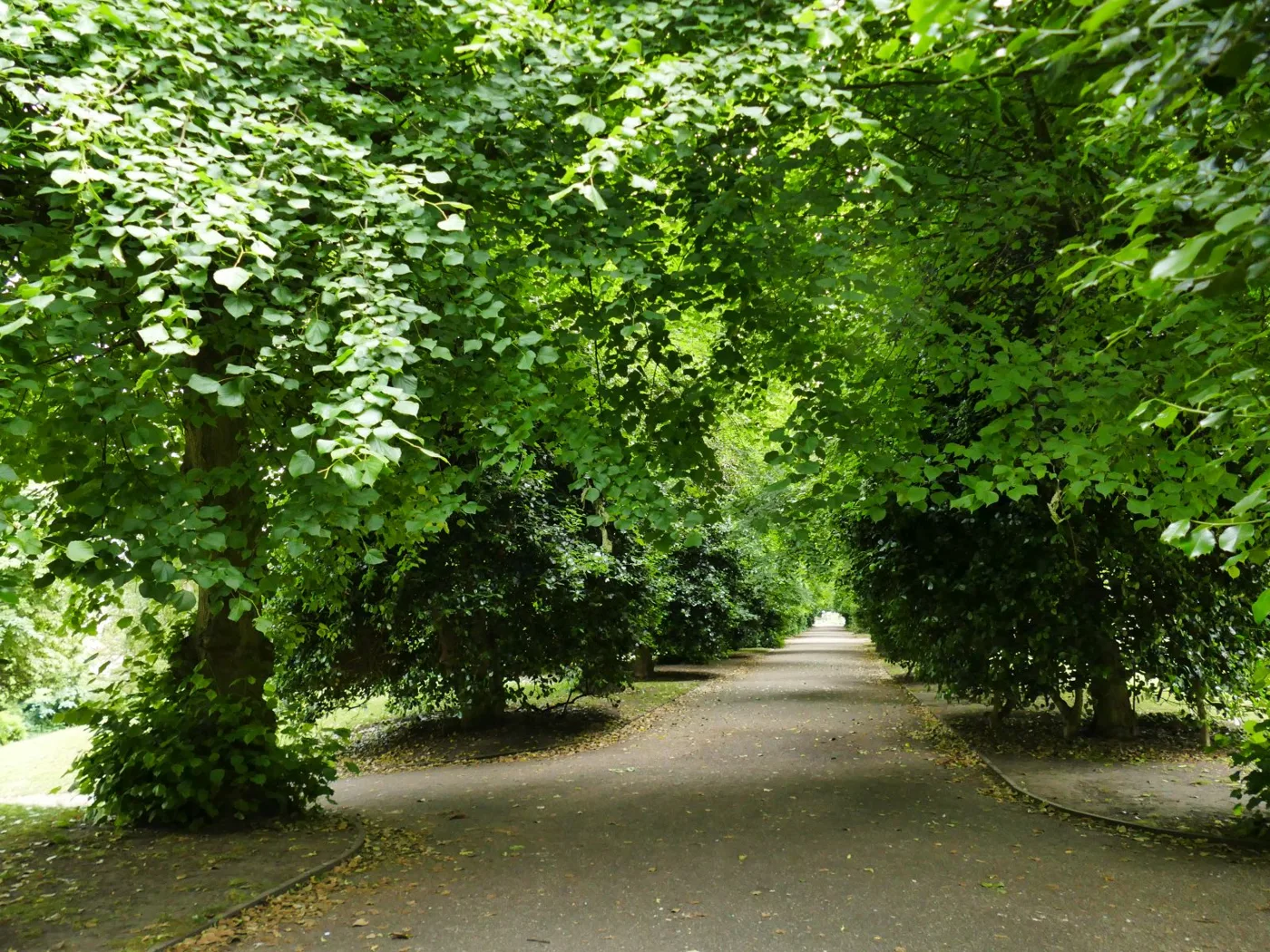

More than 600 tonnes of leaves will be collected from Cheshire West roads, pavements and parks, and residents are asked to help. Updated November 2026.
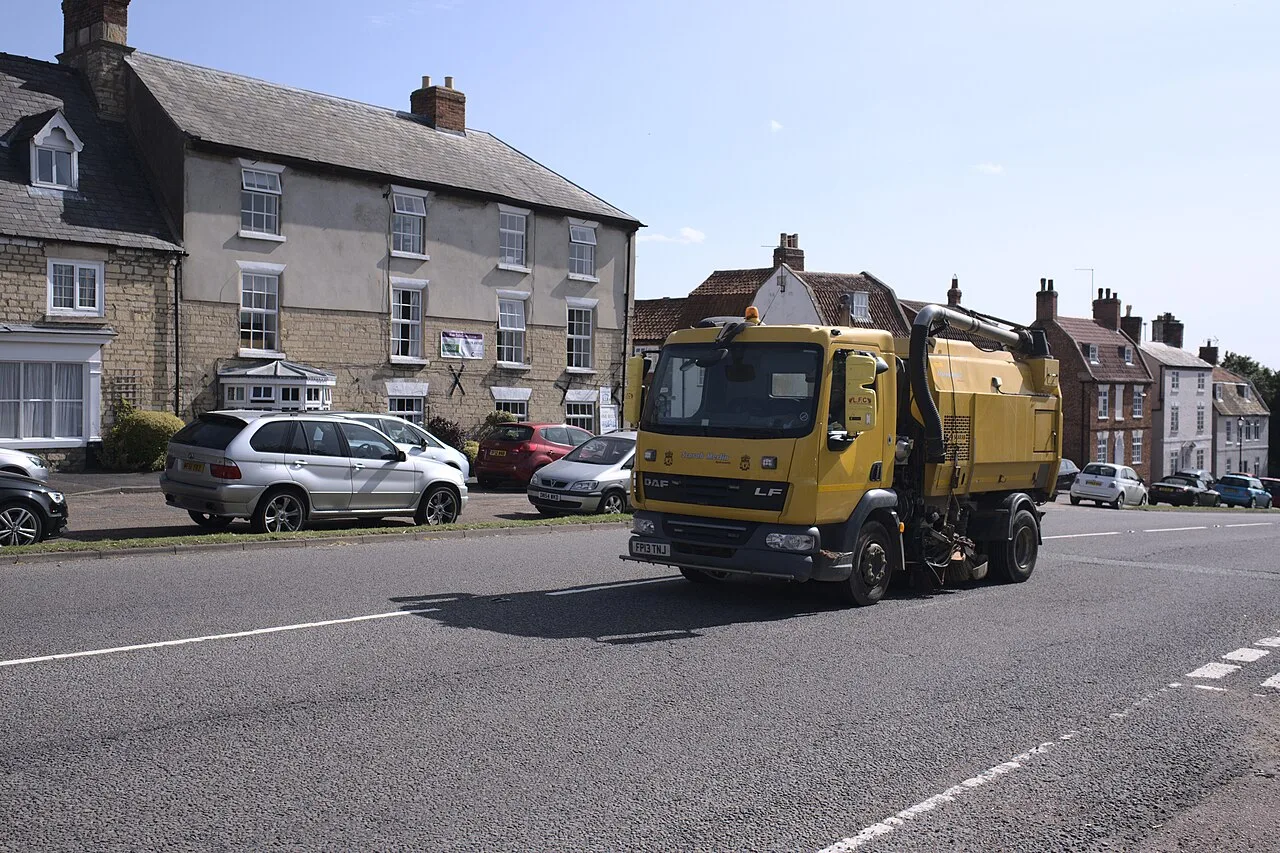
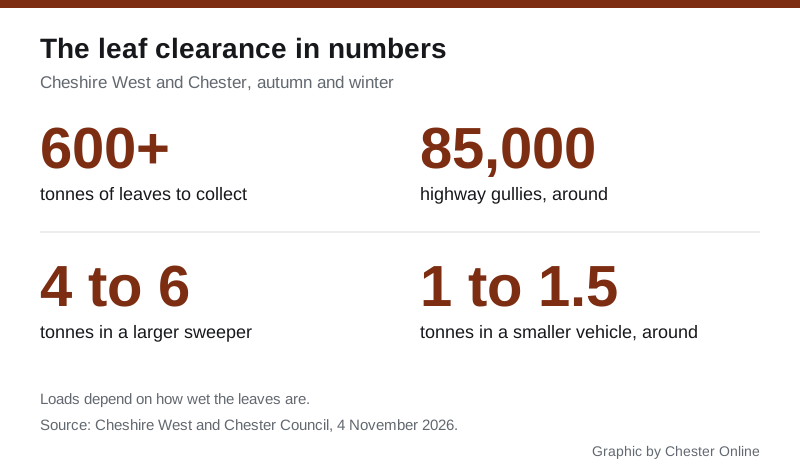
More than 600 tonnes of leaves will be collected from roads, pavements and public spaces across Cheshire West and Chester over the coming weeks. The council’s annual leaf clearance is getting under way, and two of the machines doing it are called the Leafborghini and Taylor Sweep.
Those are the names of the council’s compact sweepers. Residents may spot them out and about during the clear-up, the council said.
The serious point is water. Fallen leaves can quickly block drains, gullies and grids, particularly in heavy rain. The council’s Highways service looks after around 85,000 highway gullies across the borough.
The quick answer
- How much: more than 600 tonnes of leaves over the coming weeks.
- Where: roads, pavements, parks and other public areas across the borough.
- Who comes first: places with many mature trees, spots where leaves have turned wet and compacted, and known flood-risk hotspots.
- What you can do: clear a covered gully if it is safe, and do not blow leaves onto the road or pavement.
Where the sweepers go first
Teams will work through autumn and winter with a mix of mechanical and manual sweepers. The council says the aim is to keep streets clean, reduce slips and falls, and help prevent flooding from blocked drains and gullies.
The release does not include a street-by-street schedule. It sets out three priorities instead:
- locations with large numbers of mature trees
- areas where leaves have built up and become wet and compacted
- known flood-risk hotspots
Extra work is also taking place through the autumn months to help keep drainage systems flowing freely.
How much a sweeper can carry
The amount and timing of leaf fall changes each year with rain, wind and frost. Wet leaves also weigh on what each vehicle can take:
- Larger sweepers: between four and six tonnes at a time.
- Smaller vehicles: around one to one-and-a-half tonnes.
Both figures depend on how wet the leaves are, the council said.
What the council is asking of residents
Councillor Stuart Bingham is the council’s Cabinet Member for Community Safety and Neighbourhood Pride. He said: “Autumn brings beautiful colours to our streets, parks and neighbourhoods, but it also creates a significant clean-up challenge.
“Our teams work hard throughout the season to keep roads and pavements clear, make journeys safer and help prevent drainage problems caused by fallen leaves.
“Heavy leaf fall can happen very quickly, particularly after windy weather, and we would ask residents to take extra care when walking on wet or compacted leaves.
“We also appreciate the support we receive from residents and community groups. By working together and taking simple steps such as clearing leaves from road gullies where it is safe to do so, we can help reduce the risk of standing water and localised flooding.”
What it means for you
- Take care on foot. The council asks people to take extra care on wet or compacted leaves, particularly after windy weather.
- Clear a gully only if it is safe. If leaves are covering a road gully or highway drain, the council asks you to consider clearing them where it is safe to do so.
- Do not blow leaves onto the highway. Leaves blown onto roads, pavements or other parts of the highway can create hazards and block drains, the council said.
- Report what you cannot clear. The council’s drainage and flooding page has a form for a blocked drain or gully and a map showing when each gully is next due to be cleaned.
Have your say